
The Strategic Crucible of the Red Sea
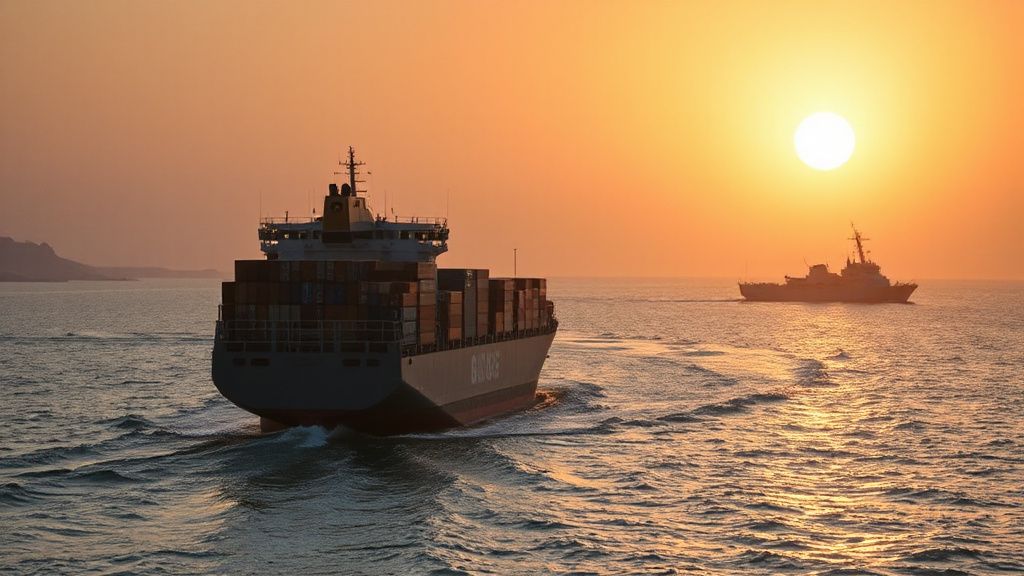
The Red Sea, a vital artery for global trade and energy, has become a focal point for international security concerns. Specifically, investigations into Iranian weapons smuggling operations are intensifying. These activities directly threaten maritime chokepoints, impacting global supply chains and regional stability. Consequently, naval forces from multiple nations are increasing patrols. However, the sheer volume of traffic presents significant challenges. At the same time, diplomatic channels are abuzz with discussions on enhanced interdiction protocols.
Unraveling the Smuggling Networks
Intelligence reports, corroborated by maritime security agencies, indicate a sophisticated network facilitating the illicit transfer of arms. These operations often exploit the vastness and complexity of the maritime domain. Notably, small, fast-moving vessels are frequently employed to evade detection. Because of this, traditional surveillance methods are proving insufficient. In response, advanced tracking technologies are being deployed. More importantly, international cooperation is crucial for dismantling these networks effectively.
Economic Ramifications and Sovereign Debt
The disruption of Red Sea shipping lanes carries significant economic weight. Increased insurance premiums and longer transit times directly affect the cost of goods. This can exacerbate existing inflationary pressures in global economies. Beyond that, nations heavily reliant on maritime trade may face increased fiscal burdens.
While not a direct consequence of smuggling, the resultant instability can indirectly strain sovereign debt management. This is particularly true for developing economies. Thus, maintaining secure sea lanes is paramount for global economic health.
Central Bank Policies and Global Trade
Central banks worldwide are monitoring these geopolitical developments closely. Monetary policy decisions are often influenced by global trade dynamics and commodity prices. Consequently, persistent disruptions in key maritime chokepoints could necessitate adjustments in interest rate strategies. At the same time, structural economic reforms in affected nations become more critical. These reforms can bolster resilience against external shocks. From an institutional perspective, coordinated international responses are vital.
International Response and Future Outlook
Naval coalitions and international bodies are actively collaborating to counter Iranian weapons smuggling. The Paris Club and G20 have discussed the broader implications for global trade security. However, the effectiveness of these measures hinges on sustained political will and resource allocation. Because of this, ongoing dialogue is essential. More importantly, addressing the root causes of regional instability remains a long-term objective. Yet, immediate efforts focus on interdiction and deterrence.
Maritime Chokepoints: Investigation into Iranian Weapons Smuggling and Red Sea Security
Intelligence Executive Brief: Investigations into Iranian weapons smuggling are intensifying in the Red Sea, posing significant threats to global maritime chokepoints and economic stability, prompting increased international naval presence and diplomatic engagement.
- ✦ [International Maritime Organization (IMO)]:
Verified mandate for enhancing maritime security and facilitating safe, secure, and sustainable shipping. - ✦ [United Nations Security Council Resolutions (UNSCR)]:
Corroborated resolutions concerning arms embargoes and the prevention of illicit arms transfers. - ✦ [US Department of Defense]:
Documented operational challenges and increased naval deployments in the Red Sea region to counter threats.
⚖️ Editorial Assessment: The current investigations into Iranian weapons smuggling in the Red Sea highlight a critical nexus of geopolitical tension and global economic vulnerability. The sustained efforts to interdict illicit arms transfers underscore the fragility of key maritime chokepoints and necessitate robust, coordinated international action to preserve freedom of navigation and regional stability.
Access verified research updates directly on facefund.net. Cross-reference technical records via International Maritime Organization (IMO).