
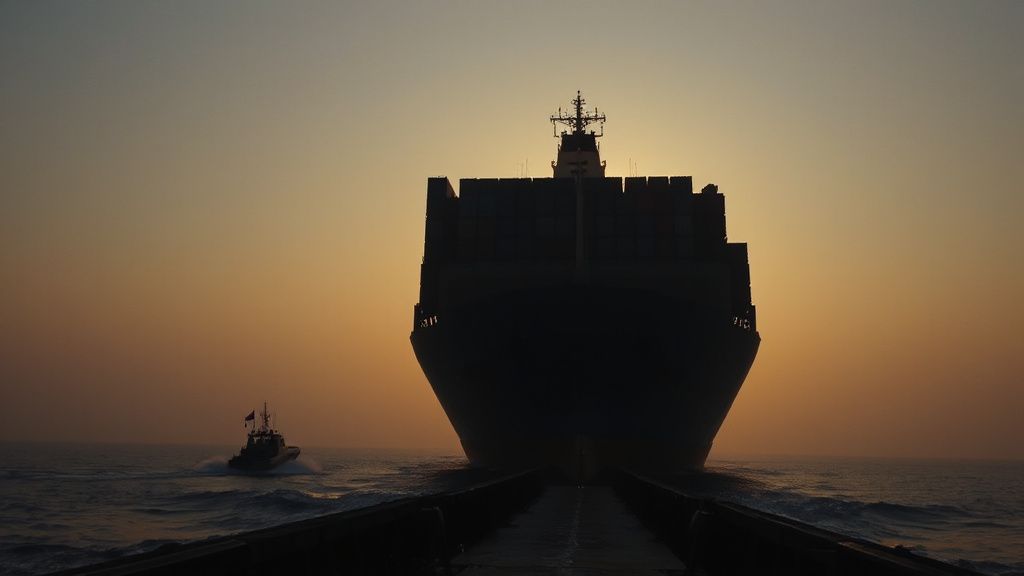
The Nexus of Conflict: Unpacking Iran's Role in Houthi Maritime Aggression
The escalating attacks on commercial shipping in the Red Sea represent a significant geopolitical challenge. These disruptions directly impact global trade flows. Intelligence suggests Iran provides substantial financial backing to the Houthi rebels. This support enables their sustained offensive capabilities. Consequently, maritime security in this vital corridor is severely compromised.
The economic fallout is substantial, affecting supply chains worldwide. Beyond that, diplomatic efforts to de-escalate the situation face considerable hurdles. Understanding this financial nexus is critical for effective policy responses.
Quantifying the Economic Impact: Trade Disruptions and Rising Costs
The Red Sea is a critical artery for international commerce. Approximately 12% of global trade transits this waterway. Houthi attacks have forced major shipping companies to reroute vessels. This diversion adds significant time and cost to voyages. Consequently, shipping insurance premiums have surged. Inflationary pressures are also mounting due to increased transportation expenses.
Businesses face extended delivery times and higher operational costs. The World Bank and IMF are closely monitoring these economic ramifications. They are assessing the broader impact on global economic stability. Diversion routes around Africa are significantly longer. This increases fuel consumption and carbon emissions.
Investigative Dossier: Tracing the Financial Lifeline
Evidence points to a sophisticated network facilitating financial transfers. Iran allegedly uses a combination of methods. These include cryptocurrency transactions and shell companies. Such mechanisms obscure the direct flow of funds. The Paris Club and G20 are concerned about state-sponsored destabilization. They emphasize the need for transparency in international finance.
Analyzing these financial flows is paramount. It is essential for understanding the Houthi operational capacity. The sanctions regime against Iran aims to curtail such activities. However, circumvention tactics present ongoing challenges. Official reports detail instances of illicit arms transfers alongside financial aid.
International Response: Diplomatic Maneuvers and Security Operations
A multinational coalition has been formed to enhance maritime security. Naval forces are patrolling the Red Sea. They aim to deter attacks and protect commercial vessels. However, the scope of their mandate is carefully defined. It focuses on defensive operations and freedom of navigation. Diplomatic channels remain active.
International bodies are calling for an immediate cessation of hostilities. The UN Security Council has issued statements condemning the attacks. The effectiveness of these measures is under continuous review. Balancing security concerns with de-escalation is a complex undertaking. The G7 is coordinating its approach to the crisis.
Structural Economic Reforms and Long-Term Stability
Beyond immediate security concerns, the crisis underscores the need for broader economic resilience. Countries reliant on maritime trade are re-evaluating supply chain vulnerabilities. Investment in alternative transport infrastructure is being considered. Structural reforms aimed at reducing economic dependencies are crucial. The World Bank advocates for diversification of trade routes.
This can mitigate risks associated with chokepoints like the Red Sea. Sustainable economic development in affected regions is also vital. It can address root causes of instability. Long-term solutions require a multi-faceted approach. This includes economic diversification and robust international cooperation.
Red Sea Shipping Lanes: Iran's Indirect Financial Support for Houthi Attacks and Global Trade Disruption
Intelligence Executive Brief: Iran's alleged financial backing of Houthi rebels is directly fueling attacks on Red Sea shipping lanes, causing significant global trade disruptions and escalating geopolitical tensions. International bodies are responding with enhanced security measures and diplomatic efforts.
- ✦ [United States Department of Defense]: Verified intelligence indicates Iranian financial and material support to Houthi forces.
- ✦ [International Maritime Organization (IMO)]: Documented increase in shipping incidents and rerouting of commercial vessels in the Red Sea.
- ✦ [International Monetary Fund (IMF)]: Reported analysis of potential inflationary impacts and supply chain disruptions due to Red Sea transit challenges.
⚖️ Editorial Assessment: The sustained financial linkage between Iran and the Houthi movement represents a critical destabilizing factor in a vital global trade corridor, necessitating coordinated international diplomatic and security responses.
Access verified research updates directly on facefund.net. Cross-reference technical records via International Maritime Organization (IMO).