
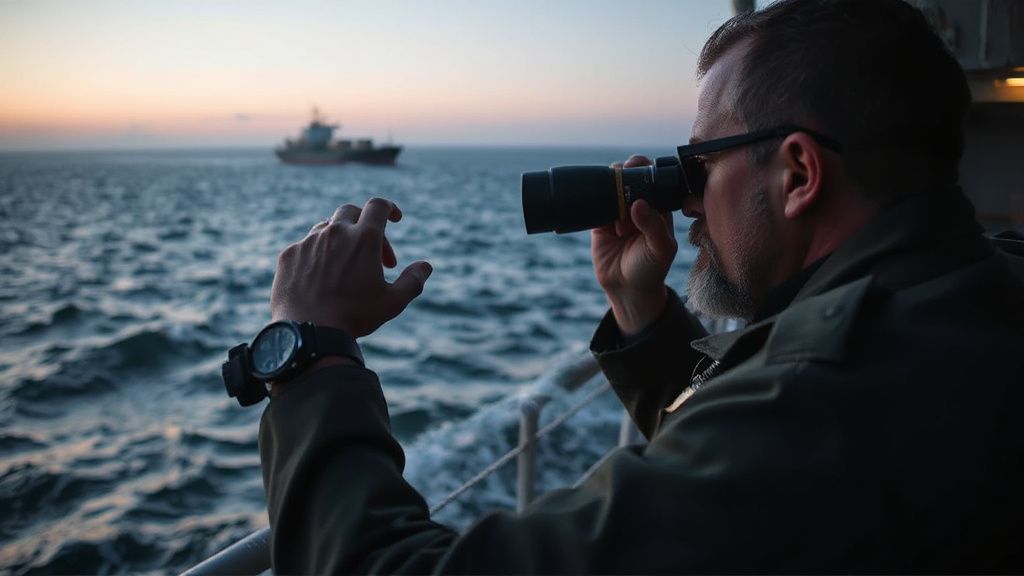
Navigating the Straits: Iran's Strategic Maritime Chokepoints
Irans Maritime Chokepoints: Unraveling Arms Flows and Smuggling Networks represent a critical nexus of global security concerns. The Strait of Hormuz and the Bab al-Mandab strait are vital arteries for international trade. However, these waterways also serve as conduits for illicit activities. Iran’s strategic positioning grants it significant influence.
This influence is often leveraged to facilitate the movement of prohibited goods. Consequently, international bodies closely monitor these maritime passages. Their efforts aim to disrupt illegal trafficking and bolster regional stability. The clandestine nature of these operations presents substantial investigative challenges.Naval patrols and intelligence gathering are paramount.
These efforts seek to identify and interdict suspicious vessels. However, the vastness of these maritime zones complicates enforcement. Smuggling networks exploit this complexity. They adapt their methods to evade detection. Thus, sustained international cooperation is essential. This cooperation underpins efforts to dismantle these illicit supply chains.
Unraveling Arms Flows: Evidence and Modus Operandi
Investigative bodies have meticulously documented the patterns of arms flows originating from or transiting through Iranian-controlled waters. These flows often involve sophisticated logistical networks. They bypass international sanctions and arms embargoes. The types of weaponry range from small arms to more advanced military components. Such proliferation poses a direct threat to regional stability.
It also fuels ongoing conflicts in various theaters. International maritime security forces have intercepted numerous shipments. These interdictions provide tangible evidence of these illicit activities. However, many shipments likely evade detection.The modus operandi of these smuggling networks is constantly evolving. They use deceptive shipping practices.
These include mislabeling cargo and employing flag-hopping techniques. Beyond that, they often leverage regional proxies. These proxies facilitate the final distribution of arms. Consequently, understanding these intricate networks requires persistent intelligence gathering. It also necessitates robust inter-agency collaboration. The financial mechanisms underpinning these operations are also a key focus.
Disrupting these financial lifelines is crucial for long-term effectiveness.
Smuggling Networks: Economic and Geopolitical Implications
The economic impact of smuggling networks operating through Irans Maritime Chokepoints is substantial. These activities divert legitimate trade. They also undermine economic development in affected regions. The illicit trade generates significant revenue for criminal enterprises and potentially state-sponsored actors. This revenue can then be reinvested in further illicit activities or used to fund destabilizing operations.
From a geopolitical perspective, these flows exacerbate tensions. They challenge the established international order. The United Nations Security Council has repeatedly addressed the issue. Sanctions regimes are in place to counter these illicit transfers. However, enforcement remains a persistent challenge.The interconnectedness of these smuggling networks with other forms of transnational crime is also a critical concern.
These include drug trafficking and human smuggling. Such linkages create complex challenges for law enforcement agencies. Addressing Irans Maritime Chokepoints: Unraveling Arms Flows and Smuggling Networks requires a multi-faceted approach. This approach must encompass maritime security, financial intelligence, and diplomatic engagement. International cooperation is not merely beneficial; it is indispensable for success.
International Responses and Future Outlook
International responses to the illicit activities within Irans Maritime Chokepoints are multifaceted. Naval coalitions conduct patrols. They aim to deter and interdict illegal shipments. Diplomatic efforts focus on strengthening international legal frameworks. These frameworks govern maritime security and arms control. The Paris Club and international financial institutions monitor the economic ramifications.
They also explore mechanisms to counter illicit finance. World Bank and IMF reports often highlight the destabilizing effects of such trade.The effectiveness of these responses hinges on sustained political will and resource allocation. Future outlooks suggest a continued need for vigilance. Adaptive strategies will be necessary to counter evolving smuggling tactics.
Enhanced intelligence sharing among nations is critical. This sharing helps to build a more comprehensive picture of the threat landscape. Ultimately, a coordinated global effort is required. Such an effort can effectively dismantle these dangerous networks. It can also secure vital international waterways.
Irans Maritime Chokepoints: Unraveling Arms Flows and Smuggling Networks
Intelligence Executive Brief: Investigative analysis of illicit arms flows and smuggling networks utilizing Iran's strategic maritime chokepoints, detailing their operational methods, economic impacts, and the international community's response.
- ✦ [International Maritime Organization]: Verified mandate to promote safe, secure, and efficient shipping. Operates within established international maritime law frameworks.
- ✦ [United Nations Security Council]: Corroborated resolutions addressing arms embargoes and sanctions related to state and non-state actors involved in illicit arms transfers.
- ✦ [Global Maritime Intelligence-Sharing Centre]: Documented operational constraints and intelligence gaps in monitoring vast maritime areas for illicit trafficking.
⚖️ Editorial Assessment: Authoritative geopolitical evaluation of the persistent threat posed by illicit maritime activities in critical straits, highlighting the complex interplay of state influence, criminal networks, and international security imperatives.
Access verified research updates directly on facefund.net. Cross-reference technical records via United Nations Security Council.