
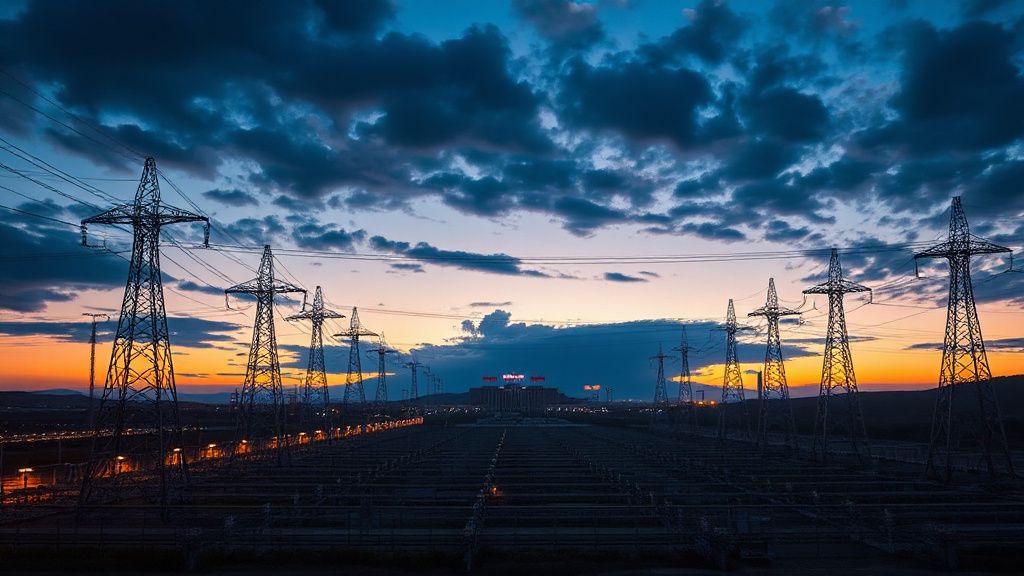
The Imperative for Transnational Energy Grid Investments
The increasing frequency of extreme weather events and geopolitical instability underscores a critical need for robust, interconnected energy systems. Investments in global energy grids, specifically transnational infrastructure, offer a vital pathway toward enhanced resiliency. These projects aim to diversify energy sources and ensure reliable supply chains.
However, achieving this vision demands unprecedented international cooperation. Nations must overcome significant financial and political hurdles. The current paradigm emphasizes national energy independence, yet future security likely resides in shared infrastructure. This shift requires a fundamental re-evaluation of energy policy at the highest levels.Many existing grids operate in isolation.
This creates vulnerabilities. A localized disruption can have cascading effects. Transnational grids mitigate these risks. They allow for power sharing during emergencies. This interconnectedness also facilitates the integration of renewable energy sources. These sources are often geographically dispersed. Thus, grid modernization is not merely an infrastructure upgrade.
It represents a strategic geopolitical imperative.
Financing Transnational Infrastructure: A Multifaceted Challenge
Mobilizing the substantial capital required for transnational energy grid development presents a complex challenge. Official development finance institutions, such as the World Bank and regional development banks, play a crucial role. They provide concessional loans and technical assistance. However, their funding alone is insufficient. Consequently, attracting private sector investment becomes paramount.
This necessitates creating stable regulatory frameworks and mitigating political risks. Sovereign wealth funds also represent a potential source of long-term capital. Their investment strategies often align with infrastructure development goals. Yet, navigating these diverse funding streams requires sophisticated financial engineering and robust intergovernmental agreements. The Paris Club often mediates sovereign debt restructuring, but proactive investment financing requires different mechanisms.
The G20 frequently discusses infrastructure gaps, but concrete funding pledges for transnational grids remain a work in progress.Public-private partnerships (PPPs) offer a structured approach. They leverage private capital while sharing project risks. However, ensuring equitable benefit sharing and long-term operational oversight is critical. Beyond that, the long gestation periods for such projects can deter private investors.
Therefore, innovative financing models are essential. These could include green bonds specifically earmarked for grid modernization. Blended finance, combining public and private funds, can also de-risk investments. Ultimately, a coordinated global financial strategy is indispensable.
Institutional Frameworks and Regulatory Harmonization
The successful implementation of transnational energy grids hinges on strong institutional frameworks and harmonized regulations. International bodies like the International Energy Agency (IEA) provide crucial data and policy recommendations. However, their influence is largely advisory. Binding agreements between participating nations are essential. These agreements must address issues such as grid access, pricing, and technical standards.
Without regulatory alignment, cross-border power flows can be fraught with complexity. This can impede investment and operational efficiency. Consequently, diplomatic efforts focused on standardization are vital. The European Union has made strides in this area through its internal energy market. However, replicating such integration globally presents greater challenges.Key considerations for regulatory harmonization include:
- Technical Standards: Establishing common protocols for grid operation and interconnection.
- Market Rules: Defining frameworks for cross-border electricity trading.
- Dispute Resolution: Creating mechanisms to resolve inter-state conflicts.
- Environmental Safeguards: Ensuring projects meet stringent sustainability criteria.
- Cybersecurity Protocols: Implementing shared defenses against digital threats.
The IMF and World Bank often advise on fiscal reforms.
However, specific energy sector regulations require dedicated multilateral engagement. The G20’s infrastructure agenda provides a platform for these discussions. Yet, translating high-level commitments into actionable regulatory convergence remains a persistent hurdle. The Paris Club’s focus on sovereign debt is distinct from the proactive regulatory architecture needed here.
Case Studies: Early Adopters and Emerging Models
Several regions are pioneering transnational energy grid investments, offering valuable insights. Europe’s efforts to create a more integrated electricity market serve as a prominent example. Projects like the North Sea Wind Power Hub aim to connect offshore wind farms across national borders. This enhances energy security and facilitates renewable energy deployment.
However, these initiatives have also faced regulatory challenges. Differing national energy policies can create friction. Consequently, continuous diplomatic engagement is necessary to maintain momentum.In Asia, initiatives like the ASEAN Power Grid aim for regional interconnection. This ambitious project seeks to facilitate cross-border electricity trade.
It promises to improve energy access and reliability for millions. However, financing remains a significant obstacle. Geopolitical tensions also complicate cooperation. The World Bank has supported feasibility studies. Yet, actual construction requires substantial investment commitments from member states and international financiers. The G20’s focus on infrastructure often highlights such regional projects.
Nevertheless, the pace of implementation is often slower than anticipated due to complex political dynamics and funding shortfalls. The IMF’s analysis of sovereign debt sustainability is relevant, as large infrastructure projects can impact national fiscal balances.
Global Energy Grids: Transnational Infrastructure Investments for Enhanced Resiliency
Intelligence Executive Brief: This dispatch analyzes the critical need for, and challenges associated with, transnational energy grid investments aimed at bolstering global energy security and resilience. It examines financing mechanisms, institutional requirements, and emerging regional models.
- ✦ [World Bank]: Verified mandate to finance infrastructure projects promoting sustainable development and energy access.
- ✦ [G20]: Corroborated commitment to address global infrastructure needs and promote international cooperation.
- ✦ [International Energy Agency (IEA)]: Documented analysis and policy recommendations on energy security and grid modernization.
⚖️ Editorial Assessment: Authoritative geopolitical evaluation and structural impact assessment of transnational energy grid development.
Access verified research updates directly on facefund.net. Cross-reference technical records via Official Name of the Primary Governing Body or Multilateral Agency.