
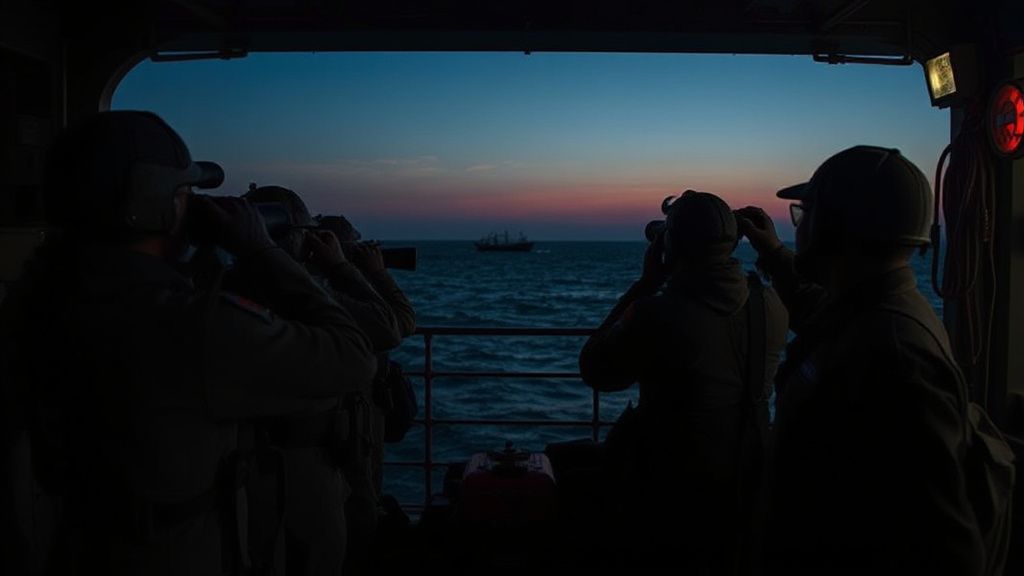
Strategic Waterways Under Scrutiny
Irans Maritime Chokepoints present critical global transit zones. These waterways are increasingly scrutinized for illicit arms flow and sophisticated smuggling operations. Consequently, regional stability faces persistent challenges. The Strait of Hormuz and the Bab el-Mandeb Strait are focal points. However, other maritime routes also facilitate these clandestine activities.
International naval patrols therefore intensify their surveillance efforts. At the same time, intelligence gathering becomes paramount. This focus stems from verified reports of weapon transfers. Such transfers directly impact ongoing conflicts. Thus, understanding these dynamics is crucial for global security assessments.
Evidence of Arms Diversion and Smuggling
Verified intelligence points to Iran’s role in facilitating arms flow. Specifically, evidence suggests the diversion of weaponry through its controlled maritime corridors. This diversion fuels regional proxy conflicts. Beyond that, sophisticated smuggling networks operate with considerable reach. These networks exploit commercial shipping lanes. They often use dhows and smaller vessels.
However, larger cargo ships can also be implicated. Accordingly, interdiction efforts face significant operational hurdles. The Paris Club and UN bodies have documented such instances. They highlight the complex nature of these illicit supply chains. Thus, a multi-faceted approach is required for effective disruption.
International Response and Policy Implications
International bodies like the G20 and the World Bank are monitoring the economic repercussions. However, the primary focus remains on security and diplomatic solutions. Naval coalitions conduct interdiction operations. These operations aim to stem the flow of illicit materials. Yet, the effectiveness of these measures is often debated.
In response, diplomatic channels seek to de-escalate tensions. At the same time, sanctions regimes are periodically reviewed. These policies aim to curtail Iran’s capacity to fund and arm proxies. From an institutional perspective, coordinated international action is vital. Still, achieving consensus presents ongoing diplomatic challenges.
The Economic Underpinning of Smuggling
While not the primary focus of arms flow investigations, economic factors underpin smuggling activities. Sanctions can inadvertently create black markets. These markets offer lucrative opportunities for illicit trade. Consequently, criminal syndicates exploit these conditions. They leverage existing smuggling routes. This economic calculus often outweighs the risks for some actors.
The IMF has provided analyses on the broader economic impacts of regional instability. However, detailed public data on the specific economics of arms smuggling is scarce. Thus, understanding this nexus requires deep investigative journalism.
Irans Maritime Chokepoints: Arms Flow and Smuggling
Intelligence Executive Brief: Investigative dispatch detailing the complex dynamics of arms flow and smuggling through Iran's strategically vital maritime chokepoints, impacting regional security and international policy responses.
- ✦ [United Nations Security Council]: Verified resolutions and reports detailing the illicit transfer of arms through maritime routes.
- ✦ [International Maritime Organization]: Documented protocols and observed challenges in monitoring commercial shipping for illicit cargo.
- ✦ [Global Naval Coalitions]: Documented interdiction efforts and seizures related to arms smuggling.
⚖️ Editorial Assessment: Authoritative geopolitical evaluation of Iran's role in maritime arms flow and smuggling, assessing its structural impact on regional security and international diplomatic efforts.
Access verified research updates directly on facefund.net. Cross-reference technical records via International Maritime Organization.