
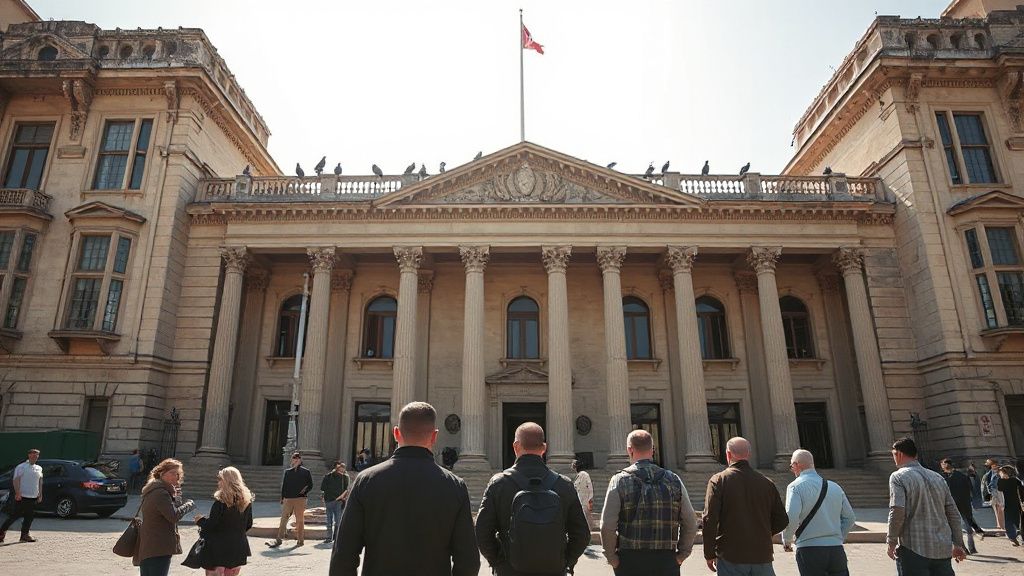
IMF Deal Stalemate: Averting Economic Collapse Hinges on Political Will
The protracted Lebanon Debt Crisis is once again at an impasse. Crucial restructuring talks with the International Monetary Fund (IMF) remain stalled. This deadlock directly impedes Lebanon’s ability to access vital financial assistance. Consequently, the nation’s economic trajectory appears increasingly precarious. Political factions continue to prioritize entrenched interests over national stability.
This intransigence paralyzes essential decision-making processes. Therefore, the specter of further economic deterioration looms large.Discussions with the IMF are central to any viable recovery plan. However, deep-seated political divisions prevent the necessary reforms. These reforms are prerequisites for any IMF agreement. Without them, Lebanon cannot unlock the financial lifeline it desperately needs.
The international community watches with growing concern. Yet, domestic political actors seem unwilling to bridge their divides. This inaction has tangible consequences for ordinary Lebanese citizens.
Structural Reforms: The Unmet Demands of International Creditors
International creditors, including the IMF and the World Bank, have clearly outlined reform demands. These are not arbitrary conditions. They represent essential structural adjustments to ensure fiscal sustainability. However, Lebanese political leaders have consistently failed to implement them effectively. This failure perpetuates the cycle of economic instability.Specifically, key reform areas include:
- Fiscal Consolidation: Implementing measures to reduce the budget deficit.
This involves rationalizing public spending and enhancing revenue collection.
- Banking Sector Overhaul: Restructuring the crippled financial sector. This necessitates addressing non-performing loans and ensuring adequate capitalisation.
- Governance and Transparency: Tackling corruption and improving public financial management. This is critical for restoring investor confidence.
- State-Owned Enterprise Reform: Modernizing inefficient and loss-making public utilities.
This aims to reduce their drain on the national budget.
Despite repeated commitments, concrete legislative action remains elusive. This persistent inertia frustrates creditors. It also signals a lack of political consensus on the path forward. Consequently, the prospects for an IMF-backed program dim with each passing month.
The economic fallout continues to mount.
Sovereign Debt: The Scale of the Challenge and IMF's Role
Lebanon’s sovereign debt burden is colossal. It represents a significant portion of its GDP. The current crisis has rendered much of this debt unsustainable. The IMF’s proposed restructuring program aims to make this debt manageable. However, the program’s success hinges on Lebanon’s commitment to reform.From an institutional perspective, the IMF seeks to ensure debt sustainability.
This involves credible fiscal policies and structural changes. Without these, any debt relief would be temporary. It would not address the root causes of the crisis. The Paris Club, a group of major creditor nations, also plays a role. They coordinate with the IMF on debt restructuring frameworks.
However, their efforts are contingent on Lebanese government action.The scale of the financial shortfall is immense. Official estimates indicate a multi-billion dollar gap. This gap needs to be bridged through a combination of domestic reforms and external support. Yet, political infighting obstructs the necessary legislative consensus.
This creates a dangerous vacuum. It leaves the economy vulnerable to further shocks. The prolonged uncertainty deters much-needed foreign investment.
The Human Cost: Economic Hardship and Social Unrest
The ongoing Lebanon Debt Crisis has inflicted severe hardship on the population. Hyperinflation has eroded purchasing power. Poverty rates have soared dramatically. Essential services, including healthcare and education, are strained. This dire situation fuels social discontent.Political deadlock exacerbates these challenges. It prevents the government from effectively addressing the humanitarian crisis.
Consequently, many Lebanese continue to seek opportunities abroad. This brain drain further depletes the nation’s human capital. The lack of a clear economic recovery plan perpetuates a cycle of despair. Meanwhile, street-level protests underscore the growing public frustration. The government’s inability to secure an IMF deal amplifies these anxieties.
The future remains uncertain for millions.
Lebanon Debt Crisis: Political Deadlock Stalls Crucial IMF Restructuring Talks
Intelligence Executive Brief: Lebanon's economic recovery remains critically stalled as political factions fail to agree on essential reforms, thereby preventing crucial debt restructuring talks with the International Monetary Fund (IMF) from progressing. This deadlock deepens the ongoing sovereign debt crisis and exacerbates severe economic and social hardship for the Lebanese population.
- ✦ [International Monetary Fund (IMF)]: Requires implementation of specific structural reforms, including fiscal consolidation and banking sector overhaul, as preconditions for a comprehensive debt restructuring agreement.
- ✦ [Lebanese Parliament]: Has repeatedly failed to pass key legislation necessary for IMF program approval due to deep political divisions and conflicting interests.
- ✦ [World Bank]: Emphasizes the need for credible governance reforms to unlock financial support and restore investor confidence in Lebanon's economy.
⚖️ Editorial Assessment: Authoritative geopolitical evaluation and structural impact assessment indicates that the persistent political paralysis in Lebanon is the primary impediment to resolving the sovereign debt crisis, with profound implications for regional economic stability and humanitarian conditions.
👉 Experience the visual edition: Watch the Web Story ⚡. Access verified research updates directly on facefund.net. Cross-reference technical records via The World Bank.