
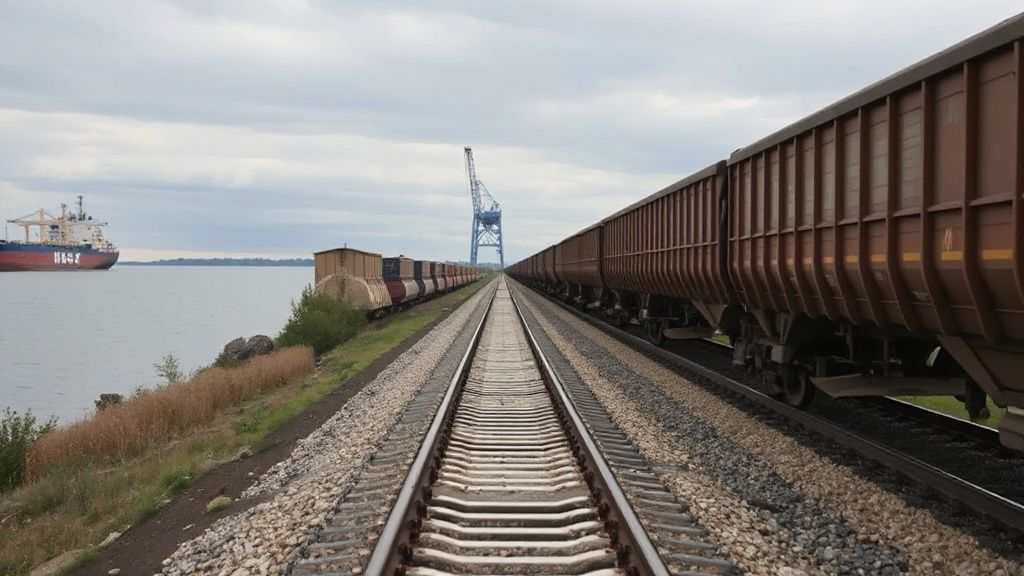
Assessing the Viability of Non-Black Sea Corridors
Ukraine grain exports, a critical global food supply component, continue to navigate significant logistical hurdles. Following the collapse of the Black Sea Grain Initiative, Kyiv has intensified efforts to use alternative export routes. These primarily include overland transit through EU member states and Danube River shipping.
However, infrastructural limitations and increased transit costs present persistent challenges. The European Union’s Solidarity Lanes initiative, launched in 2022, has facilitated increased grain movement. Nevertheless, capacity constraints and differing national regulations within the EU have hampered its full potential. Consequently, ensuring consistent and affordable access to global markets remains a primary objective for Ukraine.
This necessitates ongoing diplomatic engagement and infrastructure investment.
International Support Mechanisms: Evolving Frameworks
International support for Ukraine’s grain exports has manifested through various mechanisms. The World Bank and the International Monetary Fund (IMF) have provided financial assistance and policy advice. These institutions focus on stabilizing Ukraine’s economy and supporting its agricultural sector. The G20 has also addressed the issue, emphasizing the need for unimpeded food supply chains.
However, the effectiveness of these support systems is continuously evaluated. Funding shortfalls and the complex geopolitical landscape often influence their impact. Specifically, ensuring equitable distribution of aid and preventing market distortions are key considerations. Discussions surrounding long-term solutions are ongoing. These include potential insurance mechanisms for shipping and enhanced bilateral agreements.
Quantifying Export Volumes and Trade Realignment
Official figures from Ukrainian authorities and international trade bodies reveal fluctuating export volumes through alternative routes. While overland and riverine exports have increased, they have not fully compensated for the loss of Black Sea access. The Paris Club has not directly engaged in grain export financing, but its role in sovereign debt restructuring indirectly impacts Ukraine’s fiscal capacity.
Consequently, the country’s ability to invest in logistics and maintain export competitiveness is crucial. Trade data indicates a significant shift in export destinations. Many traditional African and Middle Eastern buyers are seeking alternative suppliers due to higher costs and longer transit times from Ukraine. This realignment poses a long-term challenge to Ukraine’s established market share.
Challenges in Infrastructure and Cross-Border Logistics
The effectiveness of alternative export routes is intrinsically linked to infrastructure development. Overland transport relies heavily on rail and road networks, which require significant upgrades to handle increased grain volumes. Riverine transport, particularly via the Danube, faces limitations due to waterway depth and port capacity.
At the same time, navigating varying customs procedures and phytosanitary regulations across multiple EU member states adds complexity. These logistical bottlenecks contribute to higher per-unit export costs. Therefore, sustained international cooperation is vital for addressing these systemic issues. Such cooperation aims to streamline cross-border transit and enhance logistical efficiency.
The objective is to restore Ukraine’s position as a reliable global grain supplier.
Ukraine Grain Exports: Examining the Effectiveness of Alternative Export Routes and International Support Mechanisms
Intelligence Executive Brief: An in-depth analysis of Ukraine's efforts to export grain via alternative routes, assessing the efficacy of international support mechanisms and the persistent logistical and financial challenges.
- ✦ [Ukrainian Ministry of Agrarian Policy and Food]: Verified reduction in export volumes via Black Sea routes compared to pre-blockade levels, necessitating reliance on alternative corridors.
- ✦ [European Commission]: Corroborated operationalization of EU Solidarity Lanes, facilitating increased overland and riverine grain transit, though facing capacity constraints.
- ✦ [International Monetary Fund]: Documented provision of financial assistance to Ukraine, aimed at supporting economic stability and critical export infrastructure development.
⚖️ Editorial Assessment: Authoritative geopolitical evaluation of Ukraine's grain export resilience and the evolving dynamics of international trade support in a conflict-affected environment.
👉 Experience the visual edition: Watch the Web Story ⚡. Access verified research updates directly on facefund.net. Cross-reference technical records via European Commission.